
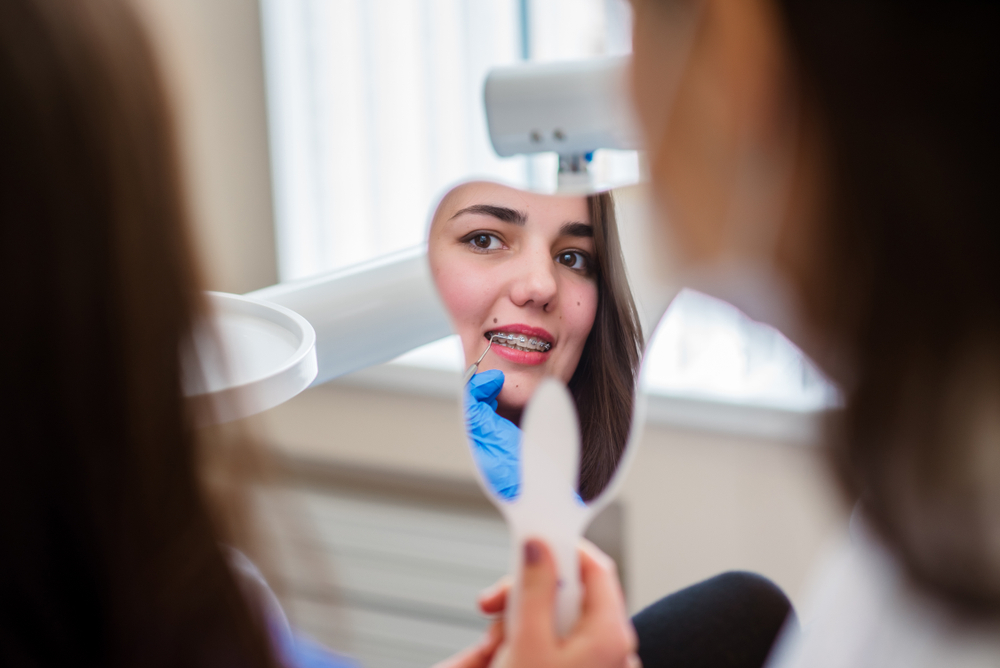
An orthodontic emergency means pain, swelling, or direct injury from your braces, not everyday soreness. Most problems with brackets, wires, or bands feel alarming in the moment but are actually routine. A wire poking your cheek or a bracket that feels loose rarely needs same-day care.
The real question is whether the appliance is causing active injury or just discomfort. That distinction decides whether you reach for orthodontic wax tonight or call the office tomorrow. This guide breaks down exactly what counts as urgent and what can wait. You’ll know within a minute which category your situation falls into.
Key Takeaways
- Pain, swelling, or appliance-caused trauma defines a true orthodontic emergency. Discomfort alone does not.
- Orthodontic wax, saline rinses, and a few household items can manage most poking wires and broken brackets at home.
- Mouth trauma, severe swelling, and post-extraction bleeding are the situations that require an urgent call or an ER visit.
- Knowing what’s routine versus urgent helps you protect your treatment timeline without unnecessary panic.
- Get specific answers to the most common questions patients have about orthodontic urgency.
What Orthodontic Emergencies Actually Are, and What They’re Not
True issues involve pain, swelling, or trauma directly tied to your orthodontic appliances. Routine discomfort, like soreness after an adjustment or a bracket that feels slightly loose, does not meet that definition. The distinction matters because it decides what you do next.
Metal brackets, ceramic brackets, wires, and ligature ties are small components under constant pressure. When one shifts or breaks, it can feel like something has gone seriously wrong. In most cases, a shifted component is a scheduling issue, not a medical one.
Most patients feel unsettled the first time a bracket shifts. That’s rarely true cause for alarm. Most components are designed to tolerate small amounts of movement without shifting your bite.
The University of Colorado’s dental school notes that everyday irritation like this often isn’t cause for concern: This is not an emergency. Everyday irritation, like mouth sores where brackets rub your cheek, is usually manageable at home with a topical anesthetic. You don’t need a same-day visit every time your cheeks feel raw during the first few weeks.
Structural problems are different from surface irritation. A bracket still attached to the wire but slightly loose is a scheduling concern. A bracket that has come off entirely or spins freely needs a call during business hours.
This is also why your orthodontist reviews your treatment plan at each visit rather than reacting to every small change. Consistent monitoring catches real problems early without turning routine wear into a crisis.
When a Loose Bracket Warrants a Call
Orthodontic checkups are spaced out to catch these kinds of shifts. If a bracket loosens between visits, call your orthodontist and describe exactly what happened.
They’ll tell you whether it needs a prompt repair visit or can wait until your next appointment. Don’t try to reattach it yourself. DIY fixes can bend the wire out of alignment and add time to your treatment.
Broken Braces, Poking Wires, and Other Issues You Can Handle at Home
Broken braces and poking wires are the most common problems patients report between visits. Most have simple home fixes that hold until your repair appointment.
Orthodontic wax is the right first step when a wire or bracket edge rubs your cheek or lip. Roll a small piece into a ball and press it directly over the sharp spot. It creates a barrier between the metal and your soft tissue and holds up well enough to eat and sleep.
A saline rinse is made with a small amount of salt dissolved in warm water. It can ease irritation once you’ve covered the sharp area. Rinse gently for about 30 seconds. It won’t fix the wire, but it helps the tissue feel better while you wait for your appointment.
An NHS orthodontic department explains that a broken wire tie or minor bracket shift isn’t urgent unless it’s actively causing trauma to your gums or cheek: not urgent unless it is causing trauma. That’s the real question to ask yourself: is this causing injury, or is it just annoying? If it’s the latter, home care is appropriate for now.
Keep an eye on any piece that comes loose. If you can’t find it, mention this when you call your orthodontist. A swallowed piece is rarely dangerous, but it’s worth noting.
Not every fix needs a special tool. A clean pencil eraser can gently guide a wire back toward the tooth. That works if it’s poking your cheek and wax isn’t holding. Never use scissors or clippers on a wire yourself, since a snipped piece is easy to swallow.
If wax keeps falling off, dry the area first with a tissue. Wax sticks best to a clean, dry surface. A softer wax works well for daytime use, while a firmer variety tends to hold up better overnight.
Building a Basic Orthodontic Toolkit
Having the right supplies on hand makes between-visit problems much easier to manage. A basic orthodontic toolkit should include a few reliable items:
- Orthodontic wax
- Dental floss threaders
- A water pick for clearing food stuck around brackets and wires
- A clean cotton swab
- Over-the-counter pain reliever for sensitivity after adjustments
Keep this kit in your bag, car, or desk drawer so it’s on hand wherever a problem happens. A small mirror and good lighting help you see what’s really happening. Then you can decide on the right fix.
Following basic food guidelines also cuts down on how often these problems happen. Hard, sticky, and crunchy foods break brackets more than anything else. Nervous habits like chewing on pen caps or biting your nails put the same kind of stress on the wire.
DIY attempts to bend a wire back into place or reattach a bracket almost always create a bigger problem. They can also set back your treatment progress.
When a Dental Emergency Means Calling Your Orthodontist, or Heading to the ER
A dental emergency involving your braces is different from a bracket that simply needs regluing. Emergency care is appropriate for severe pain, visible swelling, or signs of infection. It’s also appropriate for mouth trauma affecting your teeth, jaw, or surrounding tissue. These need medical attention the same day.
The American Association of Orthodontists notes that an orthodontist may recommend a sooner-than-planned emergency visit when a problem can’t wait for your next scheduled appointment. That guidance reflects a clear standard.
Several situations call for an emergency appointment rather than a routine one. Waiting on any of these can allow the problem to get worse:
- A wire that has fully dislodged and is causing soft-tissue injuries
- A bracket or piece of hardware that has been swallowed or inhaled
- Mouth trauma from a fall or collision
- Swelling that is spreading past the area of the appliance
Any one of these warrants a same-day call to your orthodontist’s office.
Watch for warning signs like fever, a lingering bad taste, or swelling that feels warm to the touch. These often point to infection rather than a simple appliance problem. If you notice pus, a foul odor, or growing swelling, don’t wait for regular office hours. None of these situations should wait until your next scheduled orthodontic visit.
When to Go to the Emergency Room Instead
Some situations call for the hospital emergency department, not an orthodontic office. Mouth trauma involving a knocked-out tooth, a broken jaw, or swelling affecting your airway needs immediate ER care.
Post-extraction bleeding that doesn’t stop after 20 to 30 minutes of steady pressure also needs the ER. So does any injury that leaves you unable to close your mouth normally.
A jaw that feels stuck, locked, or visibly out of position also belongs in the emergency room category. Take a photo of the injury if you can do so safely. It helps the emergency team understand what happened before you even describe it.
Bleeding gums that appear suddenly and aren’t related to your appliances may point to gum disease or root exposure. Tooth decay that has reached the point of visible damage or sharp pain needs restorative treatment. Neither of these is something your orthodontic treatment plan covers.
When you’re unsure whether something is urgent, call your orthodontist’s office first. Most practices offer after-hours guidance to help you decide next steps. Save your orthodontist’s after-hours number in your phone. It removes the guesswork on nights and weekends.
Is it an orthodontic emergency? Here’s Your Quick Answer
Knowing what qualifies as an orthodontic emergency helps you act fast when it matters and relax when it doesn’t. Swelling, mouth trauma, and severe pain mean act now. A poking wire or loose bracket usually means calling during business hours and managing it at home in the meantime. Most patients feel relief once they know which category applies.
If you’re not sure which category you’re in, talk with a dental professional. That’s the fastest way to get a clear answer. Our team can look at what’s going on and tell you if it needs same-day care or a scheduled repair. Schedule your orthodontic evaluation today at Desert Pearl Dentistry and get the clarity you need.
FAQs
What is considered an orthodontic emergency?
An orthodontic emergency involves pain, swelling, or direct injury caused by an appliance. A wire cutting into your cheek, severe swelling, or a dislodged wire causing injury all qualify. Mild soreness, a loose bracket, and minor poking wires are routine and can be managed at home.
Can I go to the emergency room for a broken bracket?
A broken bracket alone doesn’t require an ER visit. The ER is for mouth trauma, a broken jaw, or bleeding that won’t stop. The American Dental Association advises patients to go to the emergency room when bleeding won’t stop, or pain is severe. Otherwise, call our team to schedule a repair.
How do I use orthodontic wax on a poking wire?
Dry the area with a clean cotton swab. Then roll a small piece of orthodontic wax into a ball and press it over the sharp edge. It creates a smooth barrier that reduces irritation. Replace it as needed and schedule a repair visit with your orthodontist.
Will a loose bracket affect my treatment progress?
A loose bracket can slow progress if left unaddressed, since it’s no longer applying the right force to the tooth. Call our team to describe the situation and get clear guidance on whether it needs a prompt repair or can wait until your next scheduled visit.
What should I keep in an orthodontic toolkit for at-home care?
Keep orthodontic wax, dental floss threaders, a water pick, a cotton swab, and a pain reliever on hand throughout treatment. These cover the most common between-visit problems and are available at most pharmacies without a prescription.
Sources
- https://dental.cuanschutz.edu/patient-care/our-clinics/orthodontic-clinic/orthodontics-clinic-services-provided/handling-orthodontic-issues-at-home
- https://www.uhd.nhs.uk/uploads/services/docs/orthodontics/rbch-orthodontics-advice-for-patients.pdf
- https://aaoinfo.org/whats-trending/what-is-an-orthodontic-emergency/
- https://www.mouthhealthy.org/dental-care/dental-emergencies/